
-
Caving Beneath the Land of the Geysers
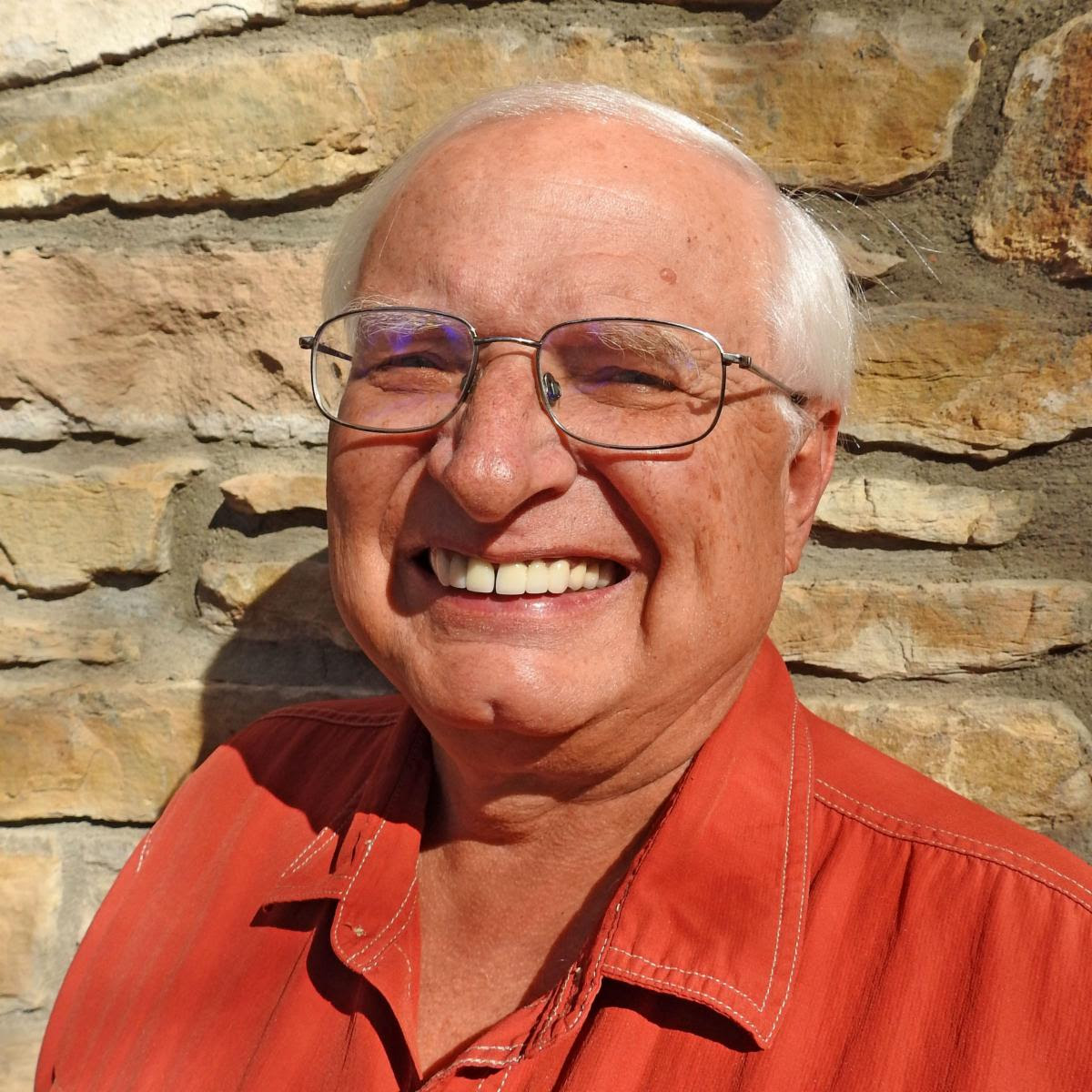
Most people associate Yellowstone National Park with geysers and so did RMEC chapter member Jim Pisarowicz until he was dispatched by the National Park Service to help document the massive 1988 Yellowstone wildfire. It was during that time that he came to the realization that these geysers were essentially a system of caves that were connected to the underground plumbing that results in geyser activity in Yellowstone. This realization set in motion a plan to enter, explore and map some of the caves that he had first seen in 1988. Little did he realize that it would take over a… Continue reading>>
-
Labyrinth of Ice: The Triumphant and Tragic Greely Polar Expedition
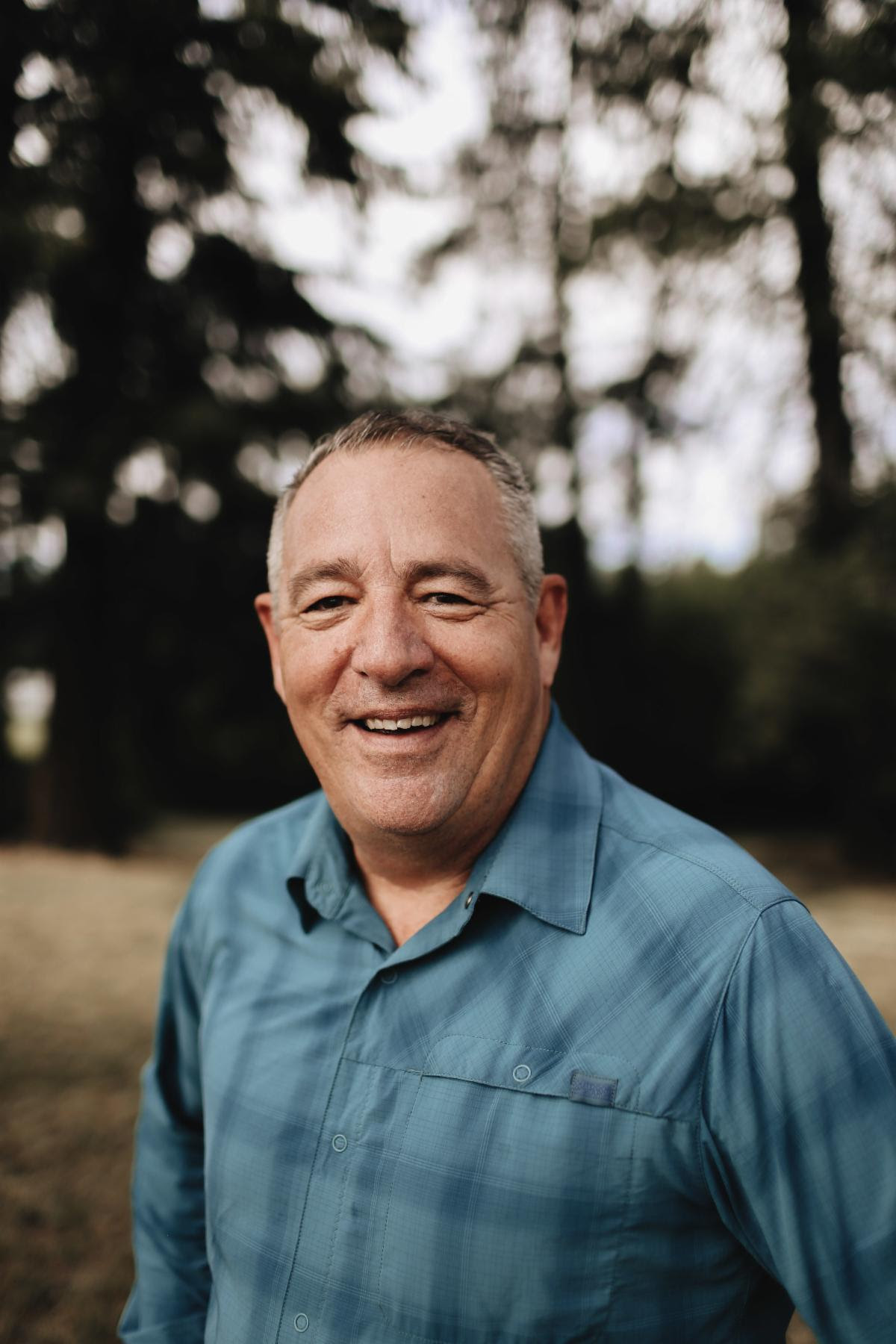
In July 1881, Lt. A.W. Greely, the first president of The Explorers Club, and his crew of 24 scientists and explorers were bound for the last region unmarked on global maps. Their goal: Farthest North. What would follow was one of the most extraordinary and terrible voyages ever made. Greely and his men confronted every possible challenge—vicious wolves, sub-zero temperatures, and months of total darkness—as they set about exploring one of the most remote, unrelenting environments on the planet. In May 1882, they broke the 300-year-old record, and returned to camp to eagerly await the resupply ship scheduled to return at… Continue reading>>
-
Rowing from California to Hawaii with Tez Steinberg
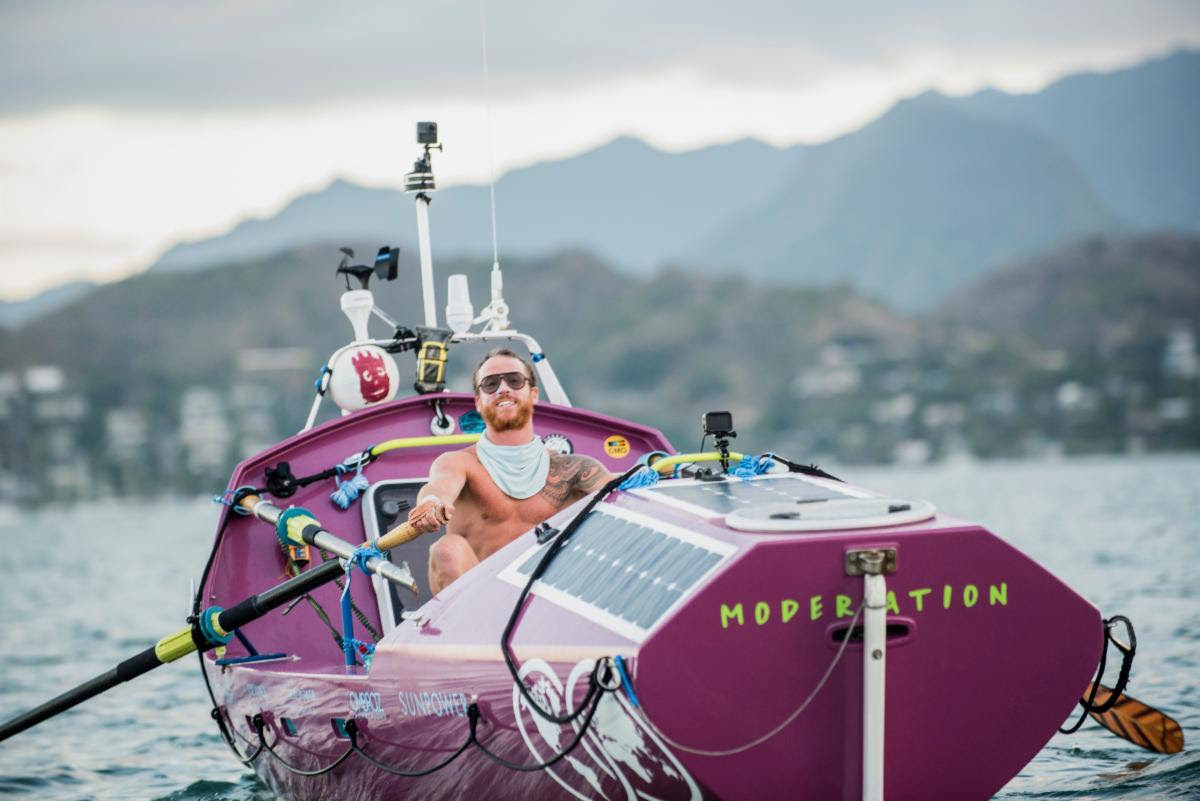
In summer 2020, Tez Steinberg of Boulder took social distancing to the extreme by spending 71 days on the Pacific Ocean alone, rowing solo and self-supported from California to Hawaii. Called the United World Challenge, it was a collaborative mission to raise scholarships to United World Colleges, help protect our oceans, and inspire others. And despite a pandemic, being a novice to rowing and the ocean, and training just 30 miles in his boat before rowing out to sea, Tez and his team pulled it off. In this talk, Tez will give an inside glimpse to his life at sea;… Continue reading>>
-
The Priest Grotto Story with Chris Nicola
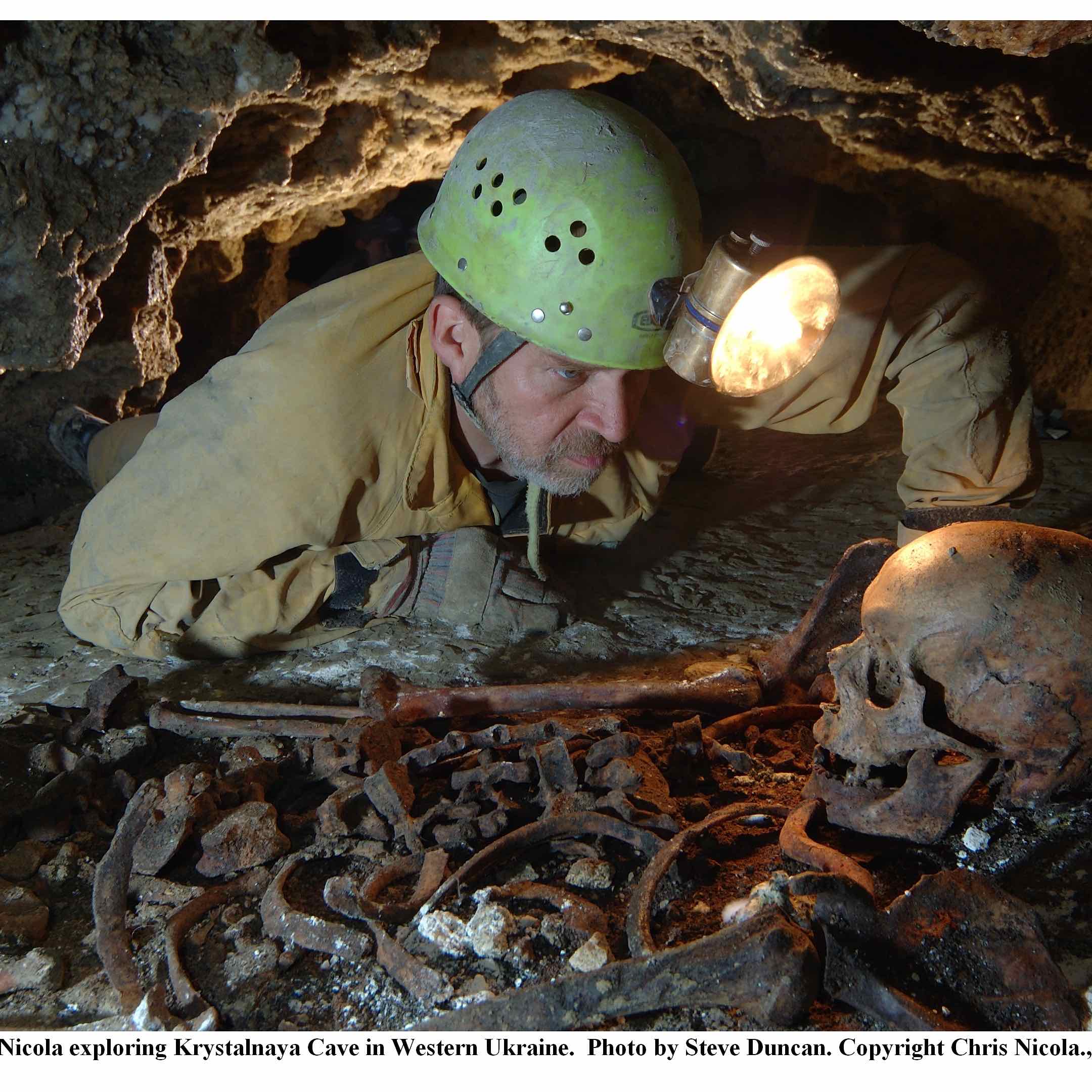
Come hear Club member Chris Nicola’s presentation on how five Jewish families survived the Holocaust by taking refuge in a Ukrainian cave in excess of 500 days. Chris describes how he spent ten years developing a story, which he had first heard as a rumor, of how a group of 38 Jews survived the Holocaust by taking refuge in a Ukrainian cave. He searched for years to locate 15 remaining survivors of this group. Presentation via Zoom at 6:30 PM MST. Continue reading>>
-
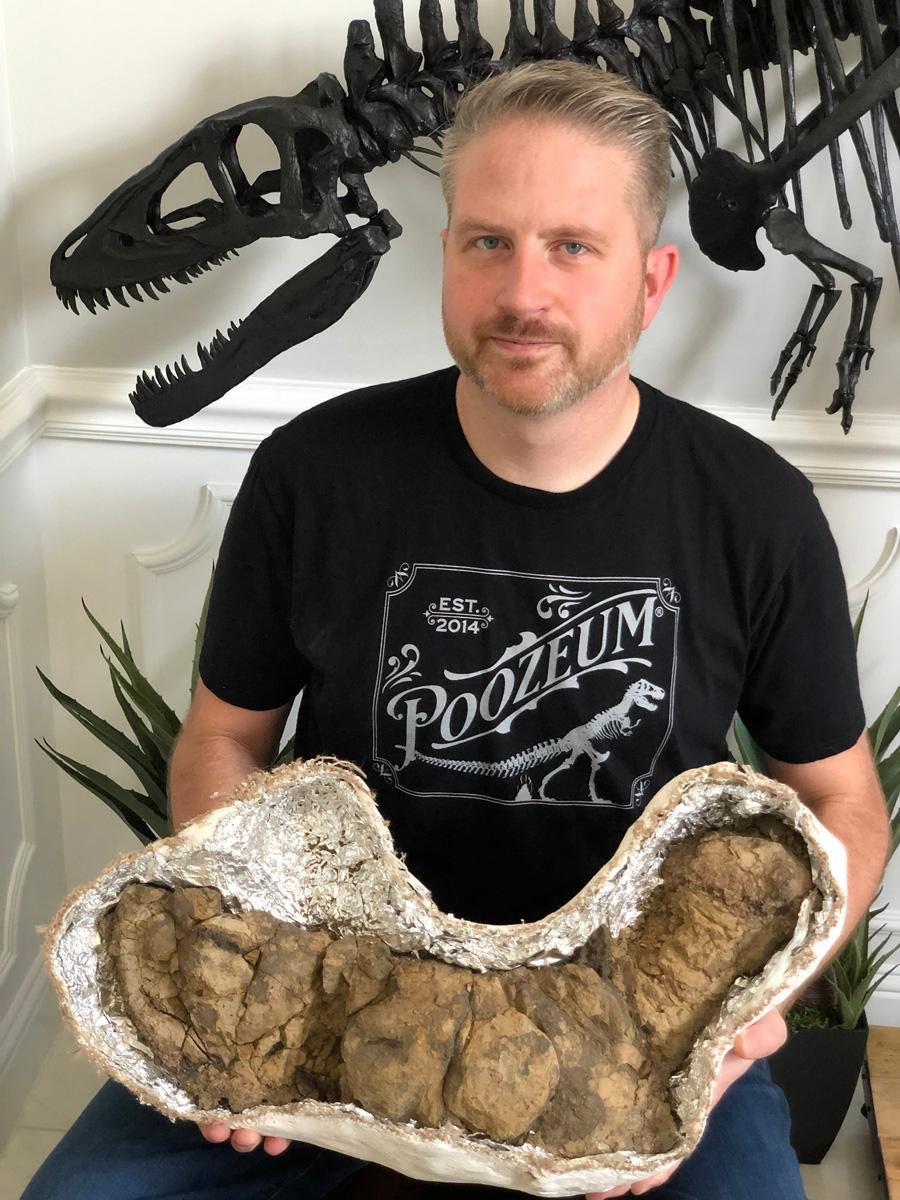
Hear from George Frandsen, the Number One Collector in the Dinosaur No. 2 Field
George Frandsen has heard all the jokes from people amused by his passion for collecting fossilized dinosaur excrement – ancient poo if you will. The 41-year-old from Jacksonville, Florida, who started collecting at age 19, holds the Guinness World Record for the world’s largest collection of coprolites, the scientific name for fossilized poo. The word comes from the Greek Kopros Lithos, meaning “dung stone.” Join us on Zoom to learn about his rather, er, unique passion. Continue reading>>
-
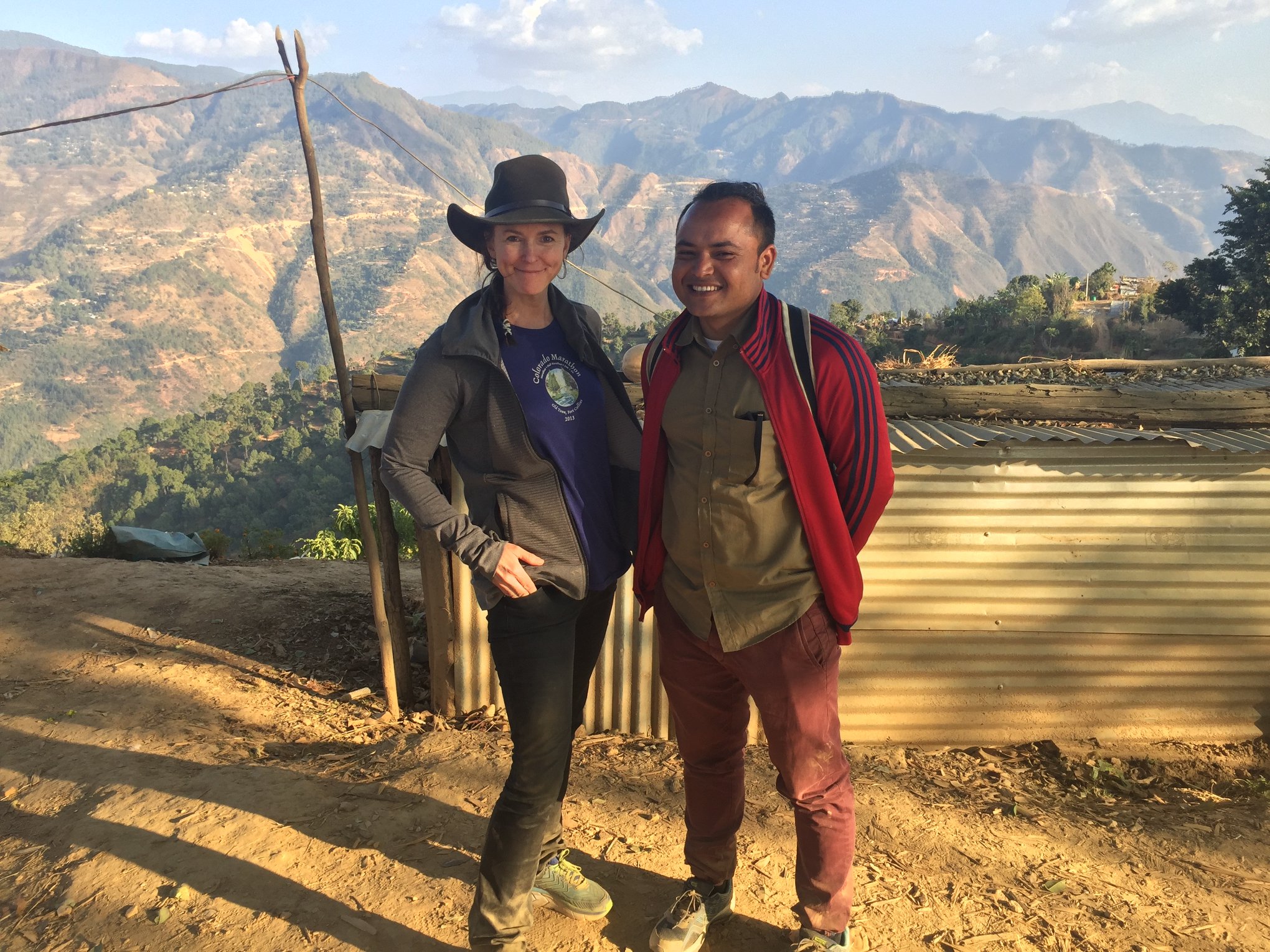
“Africa’s Greatest Shipwreck: Navigating the Aftermath of the Joola Tragedy in Senegal” with Karen S. Barton
In 2002, the Joola, a government-owned Senegalese ferry, capsized off the coast of The Gambia in a tragedy that killed approximately 1,863 people, leaving only 64 survivors. The Joola is recognized as the second worst maritime disaster in peacetime history yet few people are aware of this event and how it shaped the lives of Senegalese people. Karen will speak about her book project which serves as the first investigation into the roots of the Joola shipwreck and its consequences for rural communities in Senegal and The Gambia. Through three summers of mixed methods fieldwork, her book, coming out this fall: (1) explores the geographic push… Continue reading>>
-
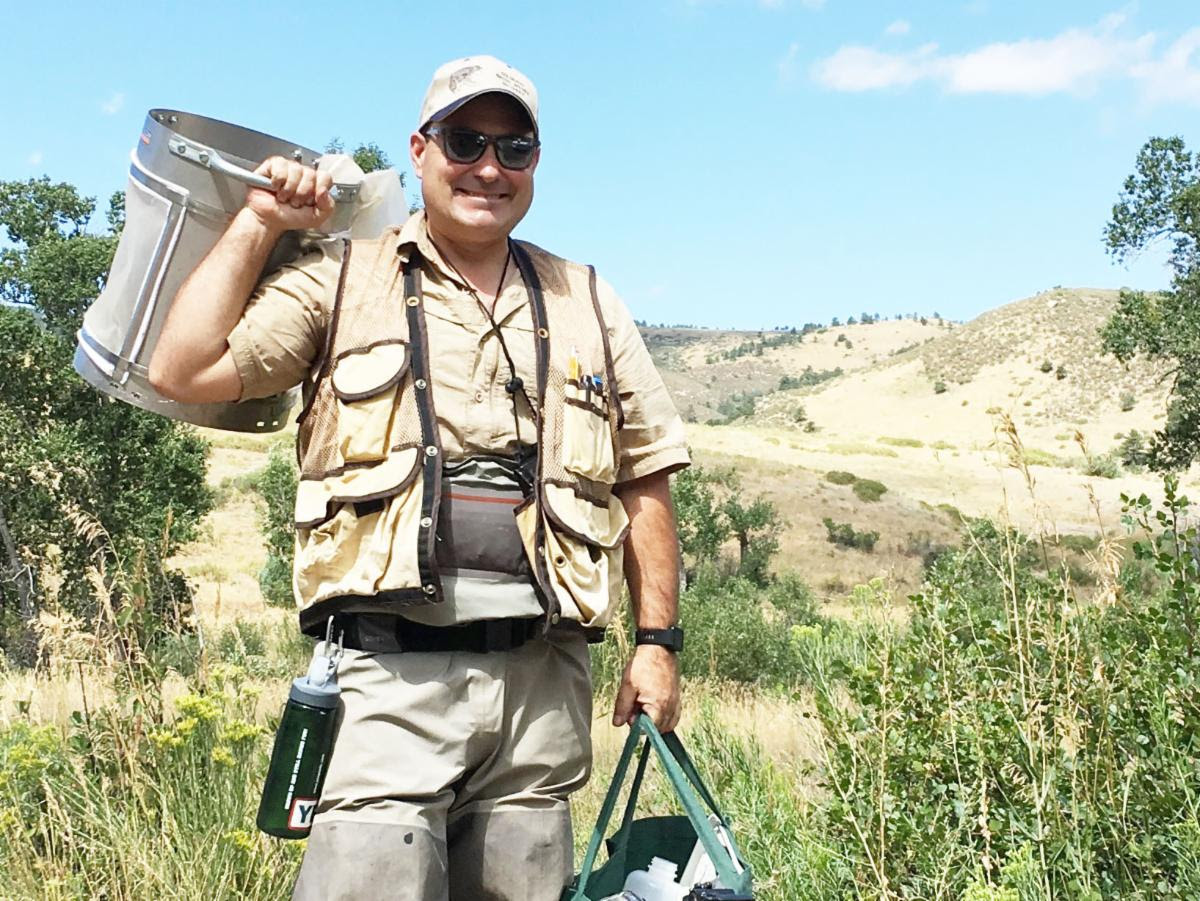
Walk with the Prairie Dogs and Picnic Afterwards
We can’t live our entire lives on Zoom. Sometimes explorers have to get out and, well, explore a bit. Masked up and socially distant, of course. Join us to learn how prairie dogs, specifically the black tailed prairie dog of the Great Plains, have been systematically persecuted by western land holders and governments starting in the mid-1800s, but taking off in about 1900, resulting in an approximate 95% decline in their numbers since that time. Beginning with a coordinated Federal extermination plan in about 1902, prairie dogs were systematically poisoned, exploded, shot, drowned and starved to make way for cattle… Continue reading>>
-
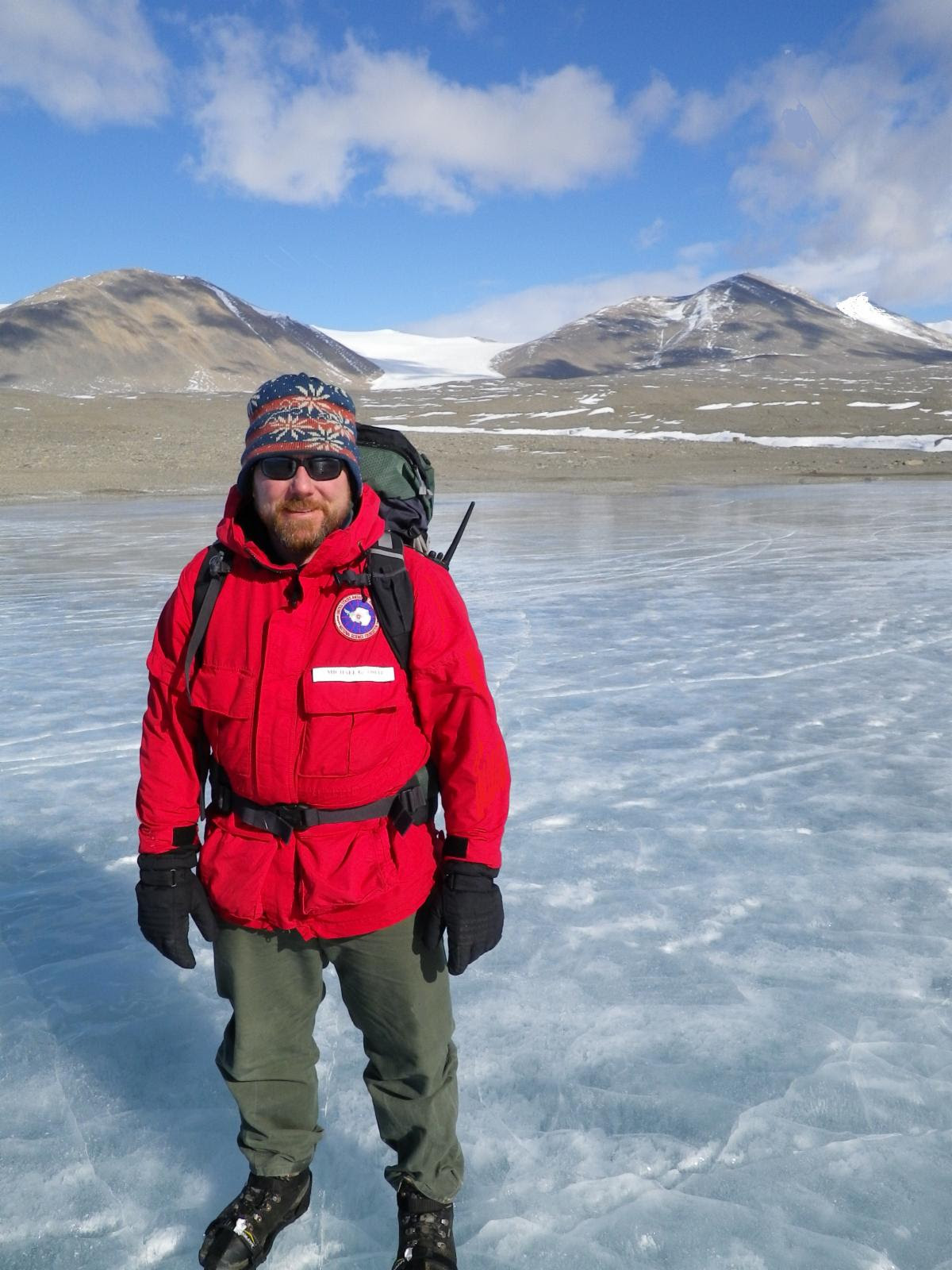
“Exploring Antarctica’s Dry Valleys” with Dr. Michael Gooseff
The McMurdo Dry Valleys are the largest ice-free region of Antarctica. They were first discovered by Robert F. Scott’s party in the early 1900’s, and have since become an important scientific resource for research on fundamental life sciences, geology, and extraterrestrial studies. Dr. Gooseff has been conducting research in the Dry Valleys since 1998 and is currently leading a large long-term ecological research project there. He will discuss some of the science and natural and human history of the dry valleys. Dr. Michael Gooseff is Professor of Hydrology, Water Resources & Environmental Fluid Mechanics Environmental Engineering University of Colorado – Boulder … Continue reading>>
-
The 2020 Exploration Awards
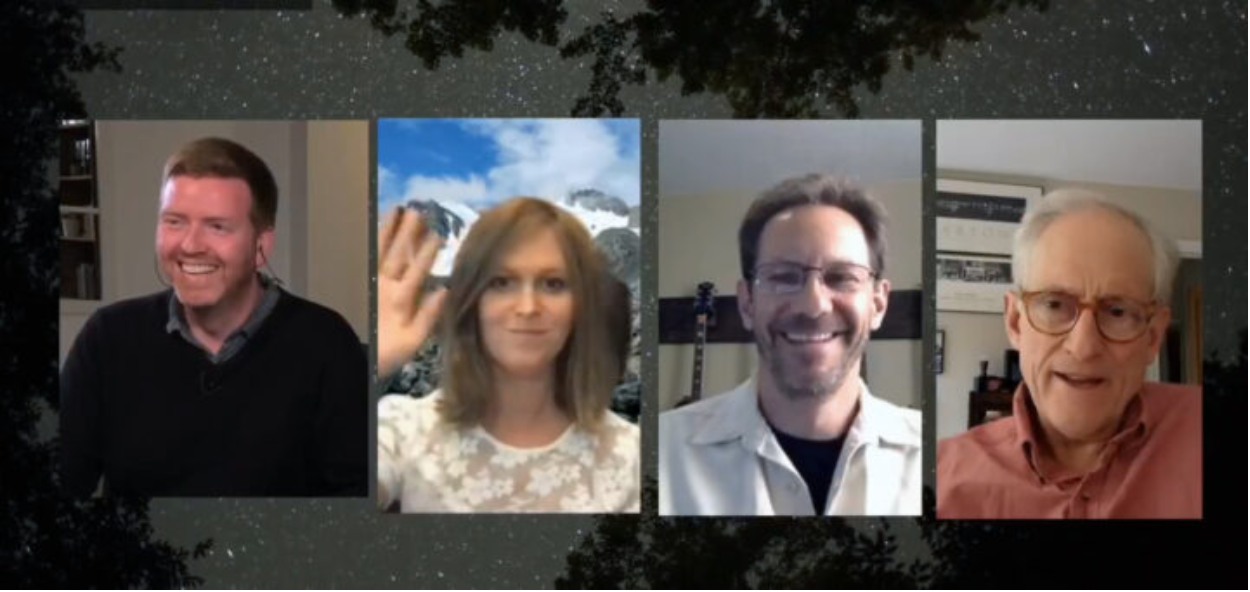
HUSAVIK, Iceland (August 18, 2020) – The sixth annual Leif Erikson Exploration Awards, sponsored by the Exploration Museum, this weekend recognized Canadian George Kourounis, and Americans Ulyana N. Horodyskyj and Jeff Blumenfeld. Also recognized was Scottish private space company Skyrora that launched their Skylark rocket from Langanes near Húsavík in northern Iceland on Aug. 16. The Leif Erikson Awards, also known as the Exploration Awards, are awarded annually by the Exploration Museum for achievements in exploration and for work in the field of exploration history. The awards ceremony was held Aug. 15 in Húsavík, the main and final event of the annual Húsavík Explorers Festival.… Continue reading>>
-
Andrew McKenna Featured in Boulder Magazine
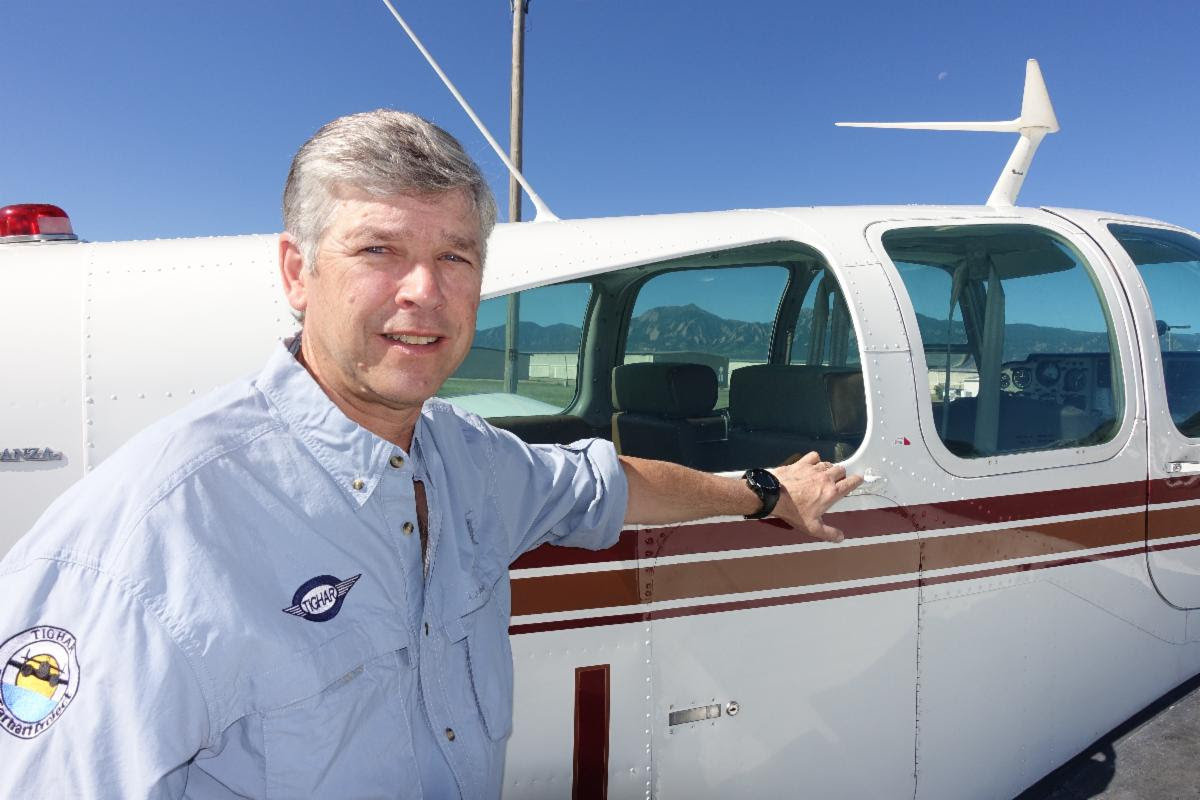
It is an honor for me to shine a light on the significant work of chapter members. Andrew, who has hosted the chapter to summer picnics at his home in Ward, has been working with The International Group for Historic Aircraft Recovery (TIGHAR) for the past 30 years on the coldest aviation case of them all: the disappearance of famed aviatrix Amelia Earhart. You can read the Boulder magazine story here: https://tinyurl.com/RMECmckenna – Jeff Blumenfeld Continue reading>>
-
Live Presentation via Zoom – An Evening With Polar Explorer John Huston
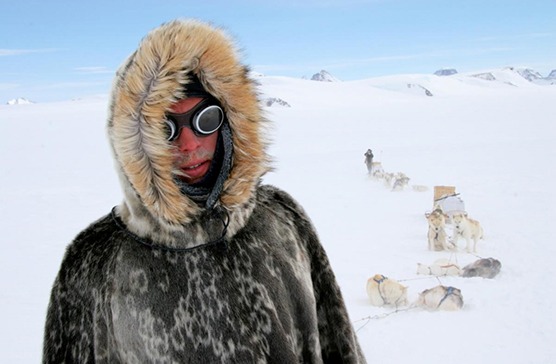
John Huston is a professional polar explorer and veteran of the first American unsupported expedition to the North Pole. He has completed major expeditions to the South Pole, on Greenland, and to Canada’s fabled Ellesmere Island. He began his career as an instructor and sled dog trainer at the Voyageur Outward Bound School in northern Minnesota’s Boundary Waters, where he fell in love with winter expeditions. John is also a motivational speaker, safety and logistics consultant, and wilderness guide. He regularly speaks to companies and organizations, referencing his expeditions to discuss overcoming challenges. John and his family live on the outskirts… Continue reading>>
-
A Conversation with Mark Armstrong, son of Neil and Janet Armstrong
This month as the Rocky Mountain chapter continues its COVID-era online meetings, we’re pleased that Mark Armstrong is available to discuss how the Armstrong family is maintaining their father’s legacy, and the continued importance of space exploration, especially now when reliance in science could potentially cure some of the world’s most pressing ills. Mark is an entrepreneur, engineer, singer/songwriter, actor and public speaker. He spent 25 years working in technology, writing software and delivering products and services for companies such as WebTV, Apple, Microsoft, Symantec and Electronic Arts. He wrote and sings backup vocals for the song “Flight of Fancy”… Continue reading>>

-
Live Presentation via Zoom – Denver Zookeeper, Dave Johnson
Can bees fight against elephant stampedes? What’s being done about poaching rhinos? Come join us for a fascinating evening with Dave Johnson, a zookeeper at the Denver Zoo who has been on the pachyderm team for 22 years. Dave has written three children’s books about animals and travels the world with a non-profit he founded called the Katie Adamson Conservation Fund that works with wildlife conservation initiatives on a global stage. No RSVP necessary, just “tune” in at 6:30 PM on Tuesday, April 14. Continue reading>>

-
Shuttle Houston: My Life in the Center Seat of Mission Control by Paul Dye
Paul Dye retired from NASA in 2013 as a Lead Flight Director for Human Spaceflight after serving as flight Director for nearly 20 years on the Space Shuttle and International Space Station programs. His forthcoming book, Shuttle Houston: My Life, in the Center Seat of Mission Control (Hachette Books, 2020), tells the stories of those years flying human beings in space, developing and executing missions to do science, deploy payloads, and build structures in space. He will share these stories in his talk, bringing the audience inside the walls of MCC-Houston to learn just what it was like to be a part… Continue reading>>

-
The Power of Adventure
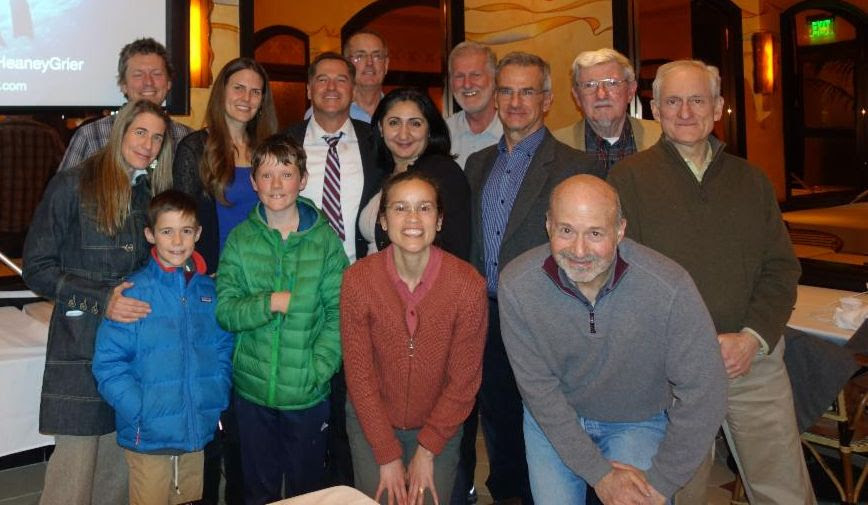
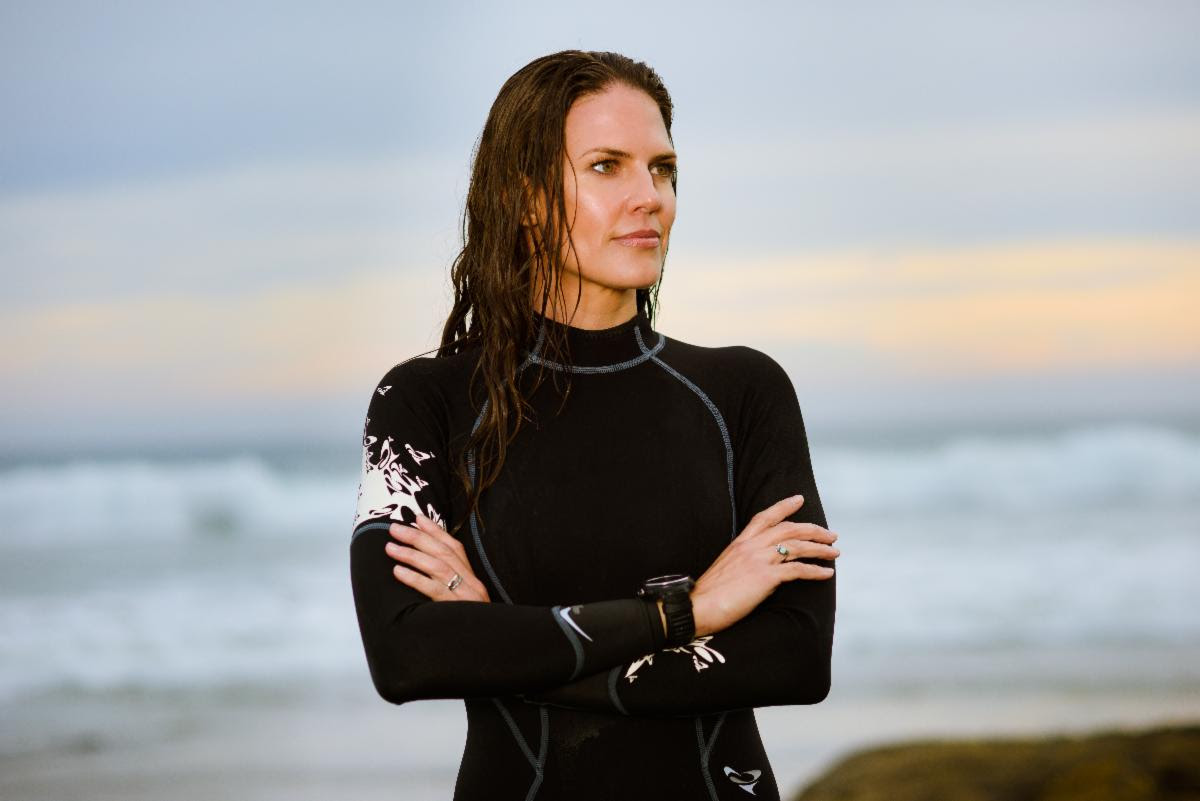
Mehgan Heaney-Grier, a lifelong ocean adventurer with more than 20 years experience working above and below the waterline, talked to the Rocky Mountain chapter on Feb. 25, 2020, about “The Power of Adventure.” In 1996, at the age of 18, Heaney-Grier established the first constant weight free-diving record in the U.S. with a dive to 155 feet (47.26 meters) on a single breath of air. She’s an accomplished athlete, professional speaker, marine educator, conservationist, expedition leader, stunt diver and television personality. In 1998 Heaney-Grier captained the first United States Freediving Team to compete in the World Cup Freediving Championships held… Continue reading>>
-
Adventure Freediving with Mehgan Heaney-Grier
“Adventure Freediving – Trail Blazing, Conservation, and Working Underwater, a presentation by Mehgan Heaney-Grier, a lifelong ocean adventurer with more than 20 years experience working above and below the waterline. In 1996, Mehgan pioneered the sport of freediving in the United States by establishing the first U.S. freedive record for both men and women, in the constant weight category. She’s an accomplished athlete, professional speaker, marine educator, conservationist, expedition leader, stunt diver and television personality. As an ocean advocate, adventurer and storyteller across multiple media platforms, Mehgan is dedicated to raising awareness and empowering the next generation of ocean stewards to engage… Continue reading>>
-
Unknown Waters with Captain Alfred Scott McLaren
“Unknown Waters: A First-Hand Account of the Historic Under-Ice Survey of the Siberian Continental Shelf by USS Queenfish (SSN 651)” presentation by Alfred Scott McLaren, Captain, USN (Ret.), Ph.D., MED ’71. Dr. McLaren is a retired U.S. Navy Captain, recipient of the Distinguished Service Medal and two Legions of Merit, President Emeritus of The Explorers Club, and Senior Pilot of the SAS Aviator submersible. He is a noted undersea explorer who has dived on such historically important wrecks as Titanic and Bismarck. Learn more about the book in The New York Times: https://www.nytimes.com/2008/03/18/science/18arctic.html Continue reading>>

-
The RMEC Learns About Exploring and Adventuring in the Name of Science
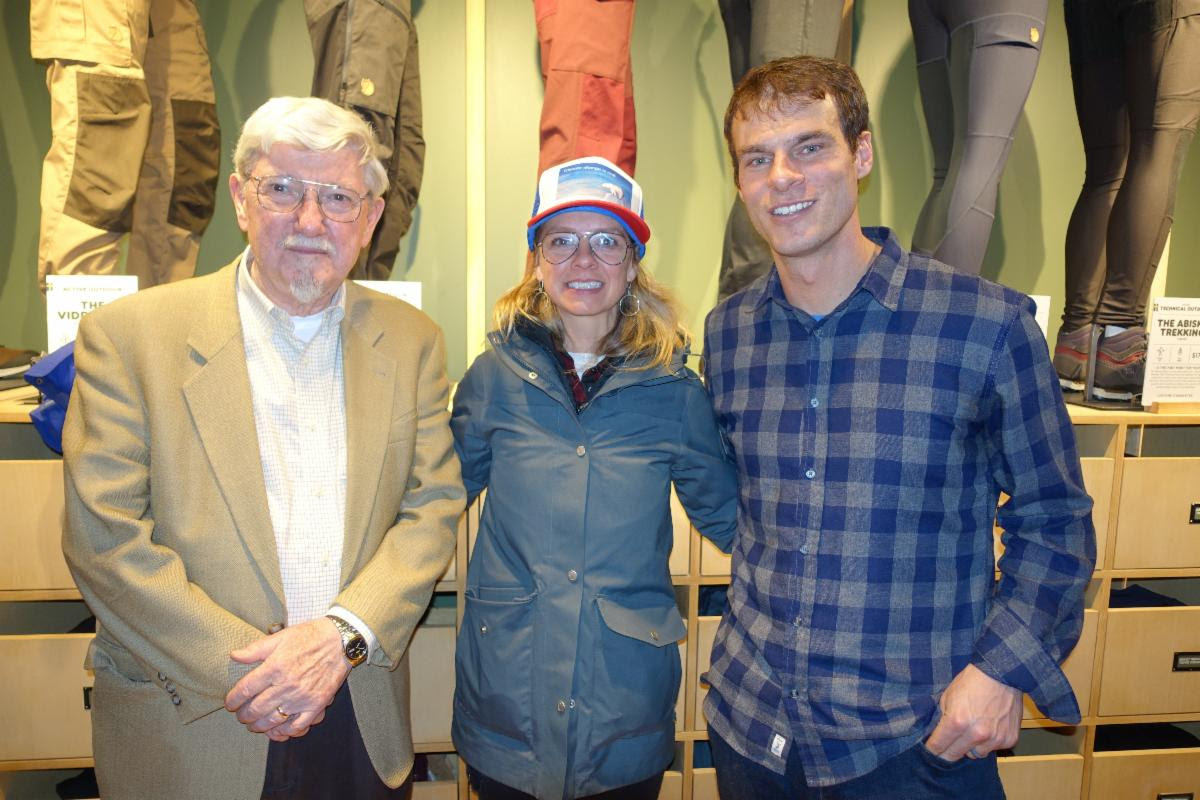
Wherever explorers and adventurers travel these days, there are scientists and researchers back home desperate for hard-to-obtain environmental data that would otherwise be unavailable for conservation. That’s the premise behind the formation of Adventure Scientists (AS) in 2011, a nonprofit that equips partners with data collected from the outdoors that are crucial to addressing environmental and human health challenges. As such, it serves as an invaluable connection between the conservation and outdoor communities. Founder Gregg Treinish of Bozeman, Montana, addressed the Rocky Mountain chapter of The Explorers Club in Boulder, Colorado, on Dec. 5, 2019, during a public presentation at the… Continue reading>>
-
Adventuring in the Name of Science with Gregg Treinish
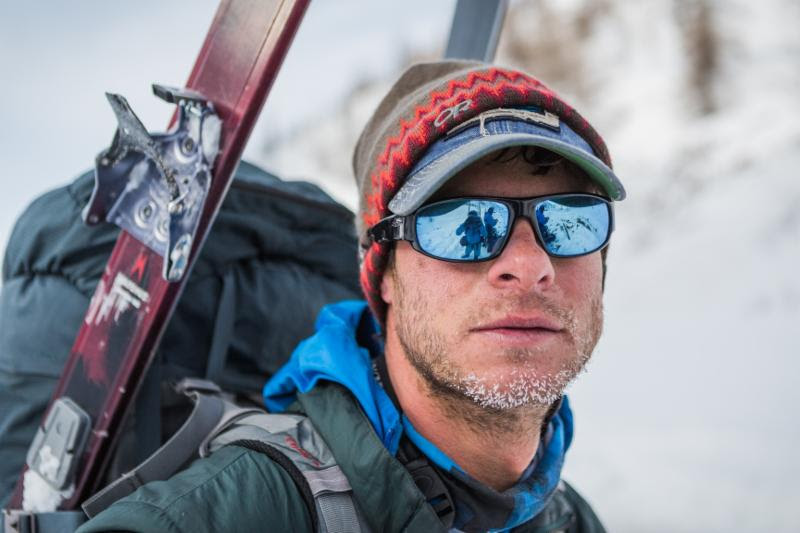
Gregg Treinish founded Adventure Scientists in 2011 to get scientists the data they need to create lasting, positive changes for the environment by harnessing the skills and passion of the outdoor community. Join him as he relives the grueling adventures and insights that led to the founding of this nonprofit based in Bozeman, Montana, and discover his inspiring new cast of heroes: the scientists driving the research the organization supports. National Geographic named Gregg an Adventurer of the Year in 2008 when he and a friend completed a 7,800-mile trek along the spine of the Andes Mountain Range. He has undertaken several epic… Continue reading>>
-
Using Archaeology for Conservation in the Peruvian Andes
Presented by chapter member, Preston Sewell. Location: Colorado Chautauqua in Boulder, 6:30 PM. $12 admission. For more information and to RSVP: https://www.chautauqua.com/portfolio/using-archaeology-for-conservation-in-the-peruvian-andes Using his background in science, photography, and mountaineering, Preston Sowell has been conducting research expeditions to study high-altitude ecosystems and environmental responses to climate change in the South American Andes for over 15 years. His discoveries and efforts to protect the area are the subject of an upcoming National Geographic documentary. Continue reading>>
